



What are insider threats?
Insider threats are risks from people within an organization who use their authorized access or organizational knowledge to cause damage. According to the Cybersecurity and Infrastructure Security Agency (CISA), an insider is any person who has or had authorized access or knowledge of an organization’s resources, including personnel, facilities, information, equipment, networks, and systems.
That’s a lot of potential people who can unleash chaos on your attack surface. But it's not always a case of a pissed off employee trying to sabotage the company on their way out. More often than not, it's completely unintentional and accidental.
Here’s how insider threats are categorized:
1. The malicious insider
A malicious insider intentionally misuses their authorized access to steal data, disrupt business operations, or otherwise harm the organization. Their motives can range from financial gain, like selling company secrets, to settling a score for perceived wrongdoing. The bottom line is they know the rules of the game the organization plays by, and they’re willing to break them for personal gain.
2. The compromised insider
A compromised insider is an employee whose credentials have been stolen by an external attacker, often through phishing scams, malware, or stolen credentials. The attacker then uses these credentials to access accounts, systems, and networks as a legitimate user in the organization. The scammed employee has no idea their account is being used for malicious activities, making this type of threat especially sneaky and tough to spot with traditional security measures.
3. The negligent insider
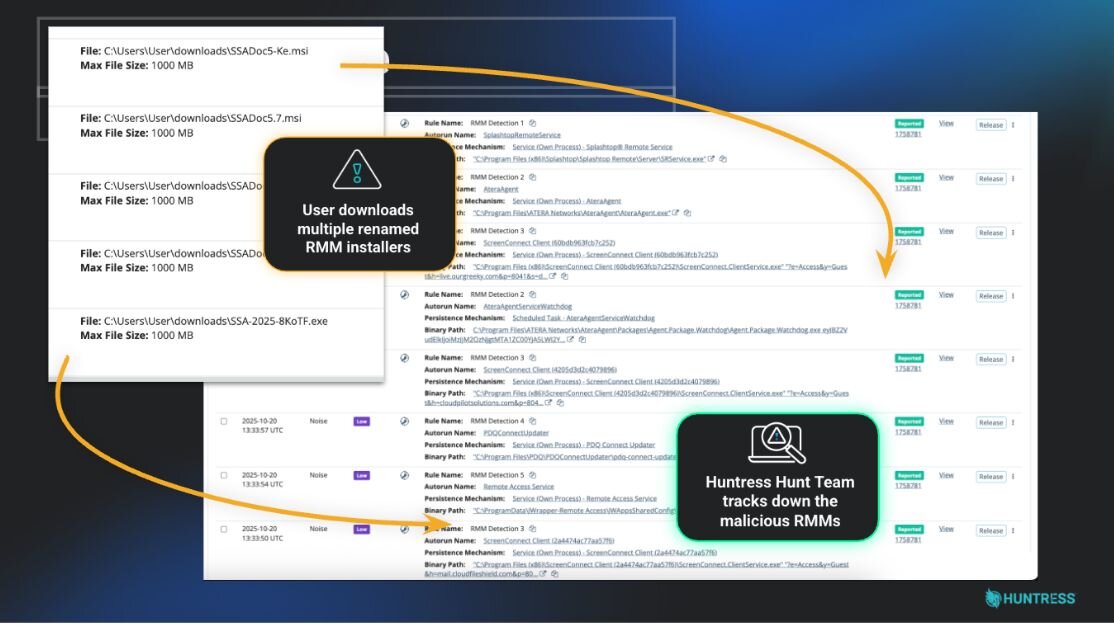
Negligent insiders aren’t trying to cause harm, but following security policies isn’t always at the top of their to-do list. Their ignorance, mishaps, and mistakes, like clicking on sketchy phishing links, reusing weak passwords across multiple accounts, or connecting to different public wifi networks every time they leave the house, cause security blunders. They’re not trying to stir up a data breach, but unfortunately, their habits can have the same devastating consequences as a malicious attack.